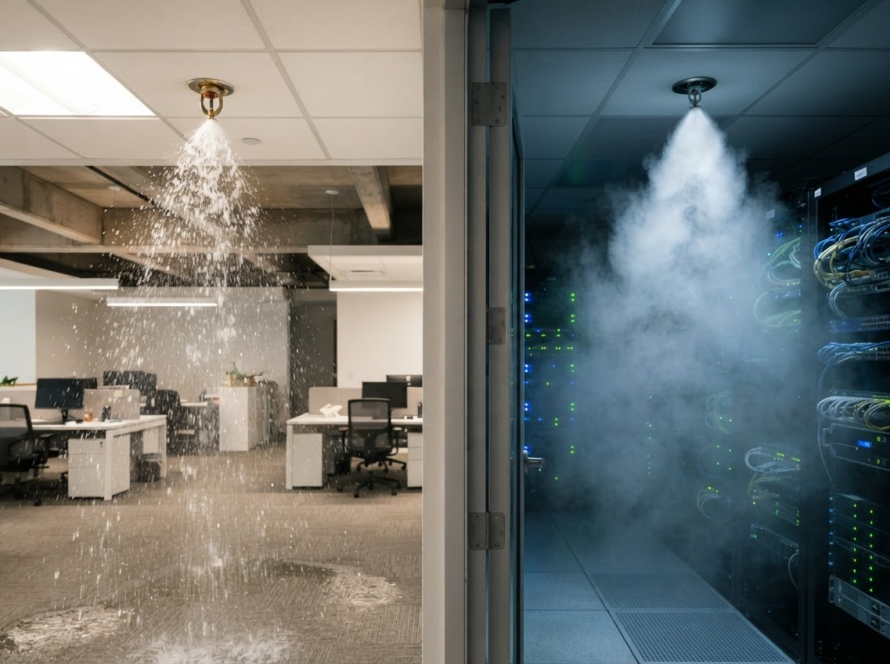
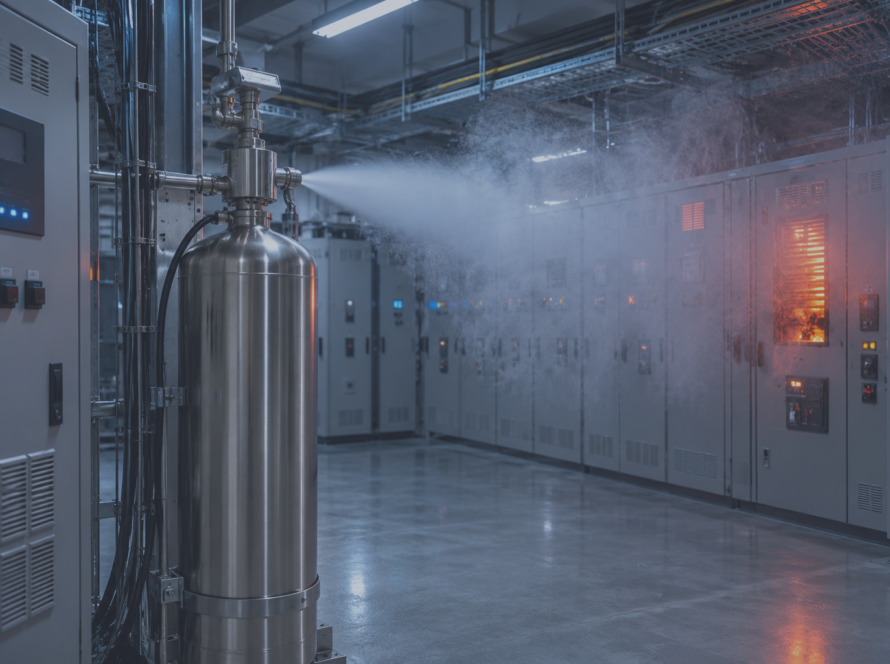
When people think about fire protection, their first concern is usually stopping the fire as quickly as possible. However, another important factor is often overlooked: the damage caused by the fire suppression system itself. In many cases, the water used to extinguish a fire can damage electronics, documents, machinery, and other valuable assets long after the flames are gone.
This is one reason why many building owners and facility managers are exploring alternatives to conventional sprinkler systems. Among the most talked-about solutions is the water mist fire suppression system, a technology designed to control fires while using significantly less water. But does it offer better protection than traditional sprinklers?
In this guide, we’ll compare both systems, explain how they work, and help you determine which option is best suited for your facility.
Understanding How Traditional Sprinklers Work
Traditional sprinkler systems have been protecting buildings since the 1870s. Each sprinkler head contains a small glass bulb filled with glycerin-based liquid. When the air temperature near the ceiling reaches around 68°C, the bulb breaks and water flows out at high pressure.
Each active head can release between 40 and 80 litres of water per minute. The system is simple, well-understood, and recognised by every major building code around the world. Contractors who install and maintain them are easy to find.
For over a century, they have been the default choice in commercial and industrial buildings because they work. The concern is not whether they suppress fire. It is what they leave behind when they do.
What Is a Water Mist Fire Suppression System?
A water mist fire suppression system is an advanced fire protection technology that uses ultra-fine water droplets instead of large volumes of water.
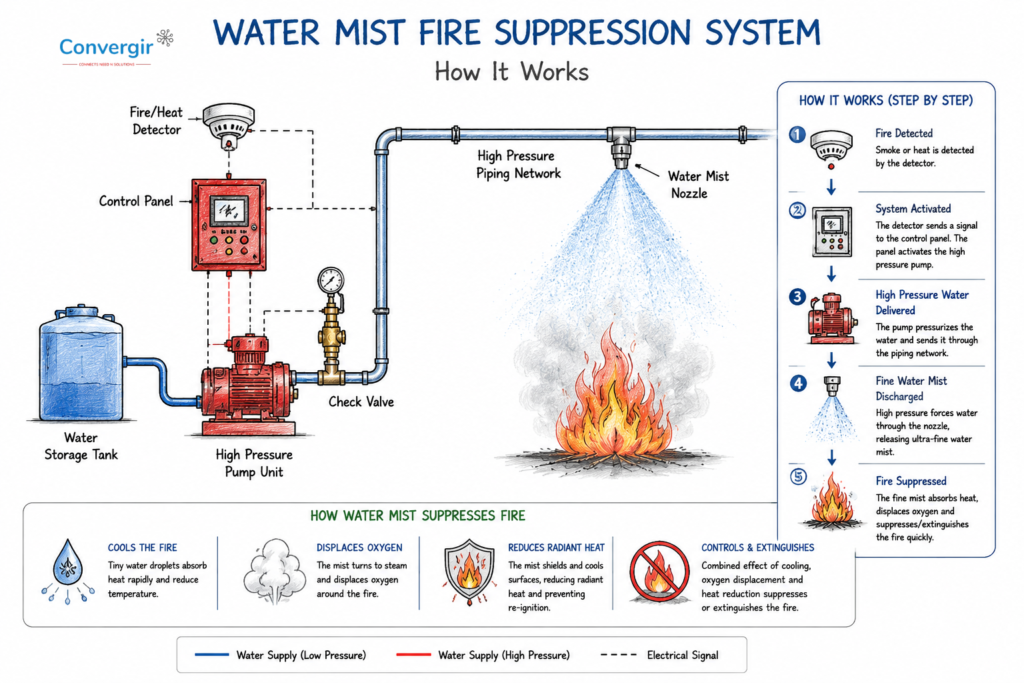
The system works by pressurizing water and releasing it through specially designed nozzles. These nozzles create microscopic droplets that spread throughout the protected area. Because the droplets are much smaller than those produced by traditional sprinklers, they have a larger surface area and absorb heat more efficiently.
When the mist reaches the fire, it cools the flames rapidly and converts into steam. This process helps lower the oxygen concentration around the fire while also reducing radiant heat. The combined effect helps suppress the fire quickly and prevents it from spreading.
Unlike traditional sprinklers that rely primarily on soaking the burning material, water mist systems attack the fire through multiple mechanisms simultaneously.
The Biggest Differences Between Water Mist and Traditional Sprinklers
Water Usage
One of the most noticeable differences between the two systems is the amount of water required to control a fire.
Traditional sprinklers release a continuous flow of water over the affected area. While effective, this can result in significant water consumption, especially during large incidents.
A water mist fire suppression system uses extremely fine droplets, allowing it to absorb heat more efficiently. As a result, it can achieve effective fire suppression using substantially less water.
For modern facilities where water conservation and damage reduction are priorities, this can be a significant advantage.
Property Damage After Activation
The consequences of water damage can sometimes be almost as costly as the fire itself.Traditional sprinkler systems often discharge large amounts of water that can soak furniture, documents, equipment, and inventory. Businesses may face expensive cleanup efforts and prolonged operational downtime.
Water mist systems significantly reduce this risk. Because they use far less water, sensitive equipment and valuable assets are less likely to suffer extensive damage during fire suppression. This benefit is particularly important in facilities that contain electronics, records, or high-value equipment.
Fire Suppression Performance
Both systems are highly effective when properly designed and installed, but they suppress fire in different ways. Traditional sprinklers primarily cool the fire by applying water directly onto burning materials.
Water mist systems not only cool the fire but also reduce oxygen levels around the flames and block radiant heat. This multi-layered approach often enables faster fire control while limiting the spread of heat to surrounding areas.
The effectiveness of either system depends on factors such as building design, fire hazards, and maintenance practices.
Installation Requirements
When planning a fire suppression system installation, it is important to consider the technical requirements of each solution. Traditional sprinkler systems typically involve water supply lines, sprinkler heads, control valves, and piping networks. Because they have been used for decades, installation standards are well established and widely understood.
Water mist systems require specialized nozzles, high-pressure pumps, and carefully engineered distribution networks. The design process is often more complex because the system must deliver the correct droplet size and pressure for effective fire suppression.
Regardless of the technology selected, installation should always be performed by qualified fire protection professionals who understand local codes and safety standards.
Where Water Mist Systems Have a Clear Advantage
Data Centers
Data centers house critical servers and networking equipment that are highly sensitive to water exposure. A water mist system can help suppress a fire while minimizing damage to expensive electronic infrastructure.
Hospitals
Healthcare facilities contain advanced medical equipment and operate around the clock. Water mist systems can provide effective fire protection while reducing disruption to critical services.
Museums
Museums and heritage buildings often contain irreplaceable artifacts, artwork, and historical documents. Excessive water can permanently damage these items, making water mist technology an attractive option.
Electrical Rooms
Electrical control rooms present unique fire risks. The reduced water discharge of water mist systems helps limit potential damage to electrical equipment and control systems.
Marine Environments
Ships and offshore facilities frequently use water mist systems because they offer effective fire suppression while conserving water and reducing structural damage.
When Traditional Sprinklers Are Still the Better Choice
Despite the growing popularity of water mist technology, traditional sprinklers remain an excellent solution for many applications.
Large warehouses, manufacturing plants, storage facilities, shopping centers, and residential buildings often benefit from conventional sprinkler systems. Their lower upfront costs and widespread regulatory acceptance make them a practical choice for many property owners.
In environments where water damage is less of a concern and large-area coverage is required, traditional sprinklers continue to provide dependable fire protection.
Cost vs Long-Term Value
Cost is an important factor when choosing any fire protection system.
Traditional sprinkler systems generally have lower initial installation costs because the technology is widely available and well established. For many projects, this makes them an attractive option from a budget perspective.
Water mist systems often require a higher initial investment due to specialized equipment and engineering requirements. However, the long-term value can be significant. Reduced water damage, lower cleanup costs, shorter downtime, and better protection for valuable assets can offset the higher upfront expense over time.
The true cost of a fire protection system should be evaluated over its entire lifecycle rather than based solely on installation expenses.
How to Choose the Right Fire Suppression System for Your Facility
Start with the assets you are protecting, not the system specifications. Ask these questions:
- What do local fire safety regulations require, and what do they permit?
- What would a traditional sprinkler activation actually damage in this space?
- How long would the building be out of operation after a suppression event?
- Are there electronics, irreplaceable items, or live electrical systems in the fire zone?
- Does the building have space for large-diameter pipework, or would smaller pipes be a practical advantage?
Conclusion
Both traditional sprinklers and water mist systems play an important role in modern fire protection. Traditional sprinklers remain a reliable and cost-effective solution for many commercial and industrial buildings, while a water mist fire suppression system offers significant advantages where water damage reduction and asset protection are critical priorities.
There is no one-size-fits-all answer. The right choice depends on your facility’s fire risks, operational requirements, budget, and the value of the assets being protected.
Before moving forward with any fire suppression system installation, consult experienced fire protection specialists who can assess your facility and recommend the most effective solution for long-term safety and compliance.