Fire Alarm System Installation
Design, supply, installation, testing, and commissioning of compliant fire alarm systems for commercial and industrial facilities.
IS / NFPA compliant | Addressable & Conventional Systems
What is Fire Alarm System
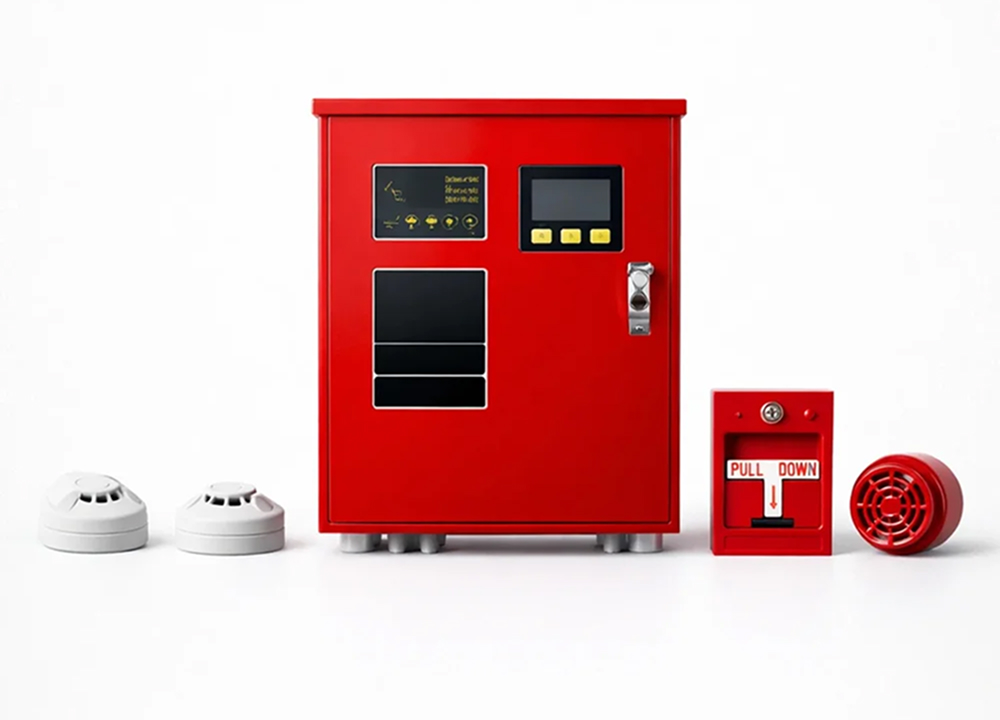
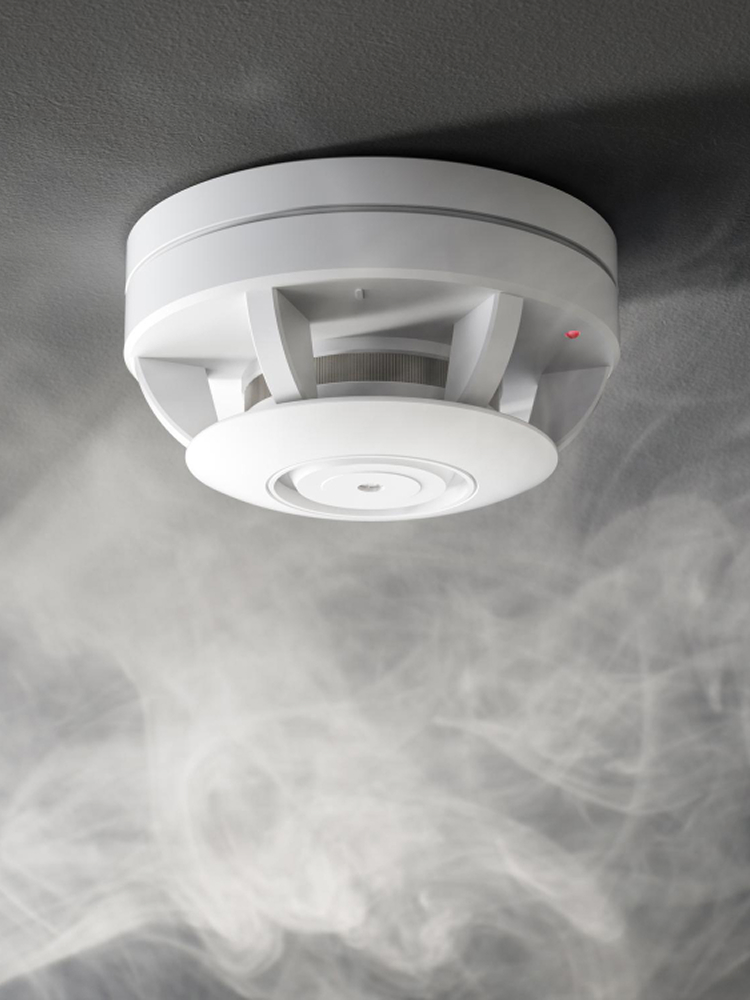
A Fire Alarm System Installation is a critical safety requirement for any building that aims to protect lives, assets, and operations. A properly installed fire alarm system provides early warning of smoke or fire, allowing occupants to evacuate quickly and emergency teams to respond in time. It forms the backbone of any modern fire safety strategy by combining detection, notification, and control functions in one integrated network
Our Fire Alarm System Solutions
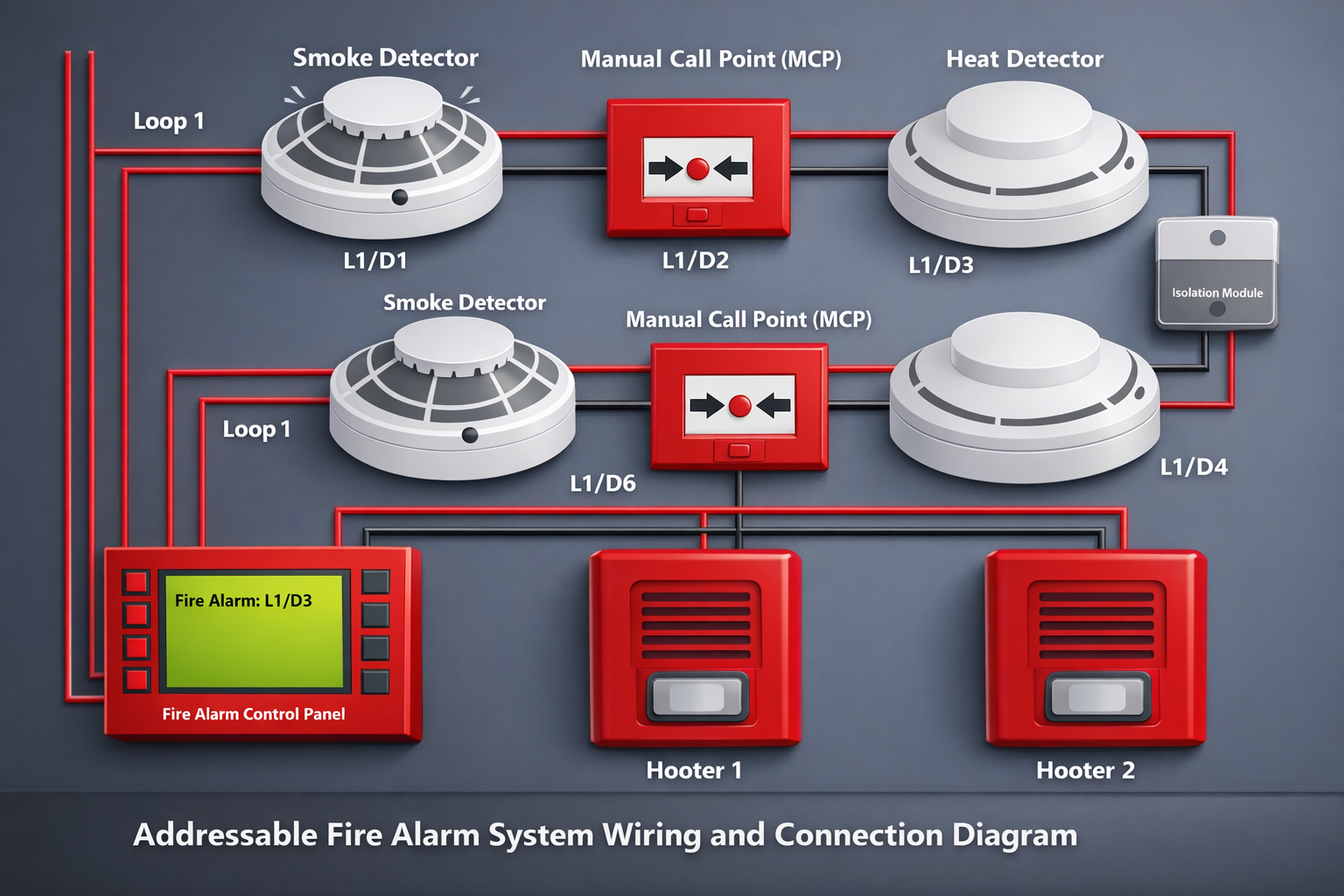
Convergir Techno Systems offers a complete range of fire alarm system installation solutions in Chennai, designed for different building types and safety needs.Addressable Fire Alarm Systems
Addressable fire alarm systems assign a unique digital address to every detector and call point on the network, so the control panel can pinpoint the exact device in alarm, not just the zone. This precision cuts response time, reduces false-alarm disruption, and supports much larger, more complex installations on a single wiring loop.
Key Capabilities
- Exact device-level fire location identification
- Faster, more targeted emergency response
- Supports large device counts on a single loop
- Continuous self-monitoring for fault detection
- Scalable design for future building expansion
Conventional Fire Alarm System
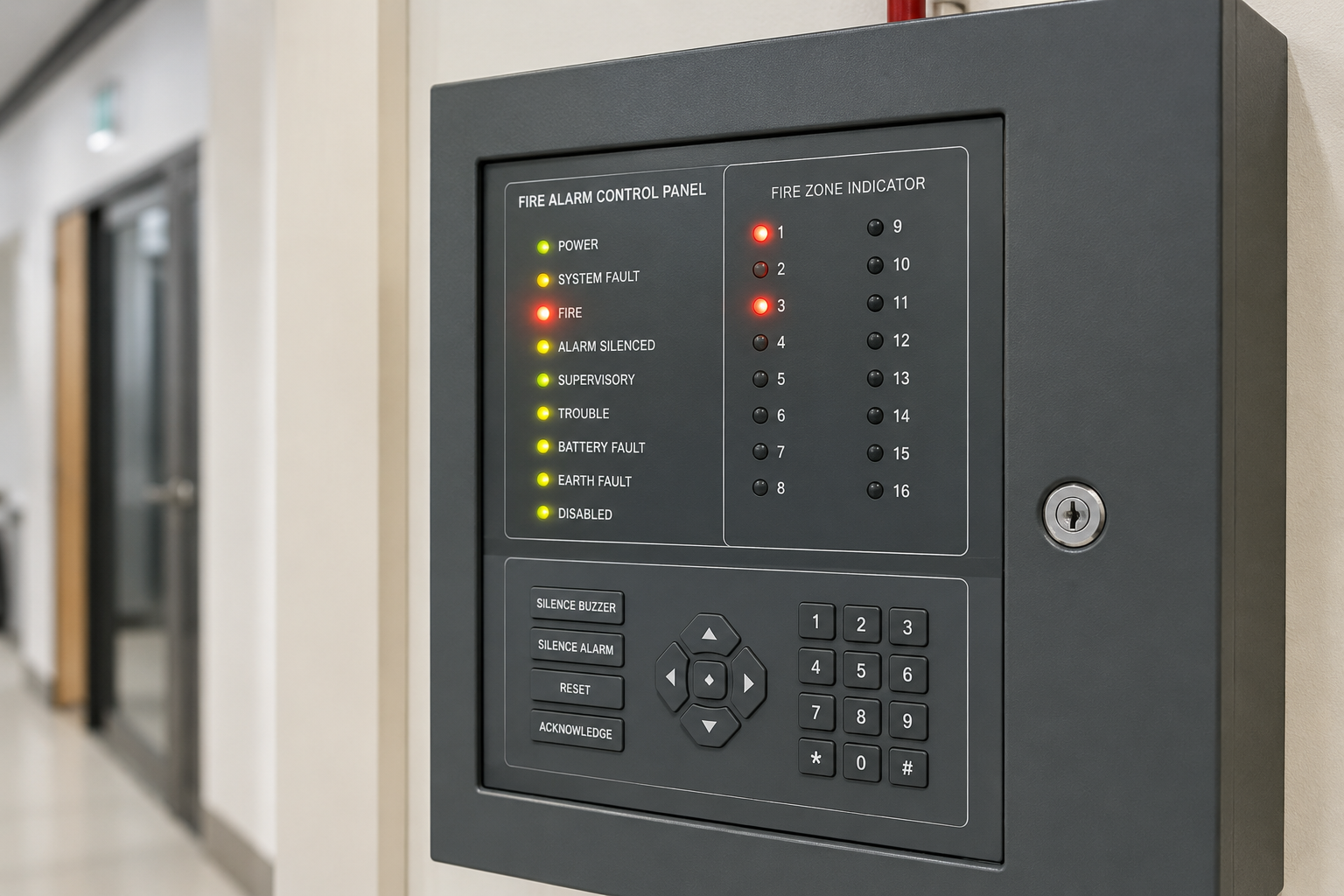
Conventional fire alarm systems divide a building into detection zones, with each zone wired back to the control panel on its own circuit. When a detector or call point is triggered, the panel identifies the zone in alarm rather than the exact device, making it a proven, cost-effective choice for smaller and less complex sites.
Key Capabilities
- Zone-based fire detection and alarm indication
- Reliable smoke, heat, and manual call point coverage
- Lower installation and component cost
- Simple wiring and straightforward maintenance
- Well suited to single-building, low-zone-count sites
Flame Detection system
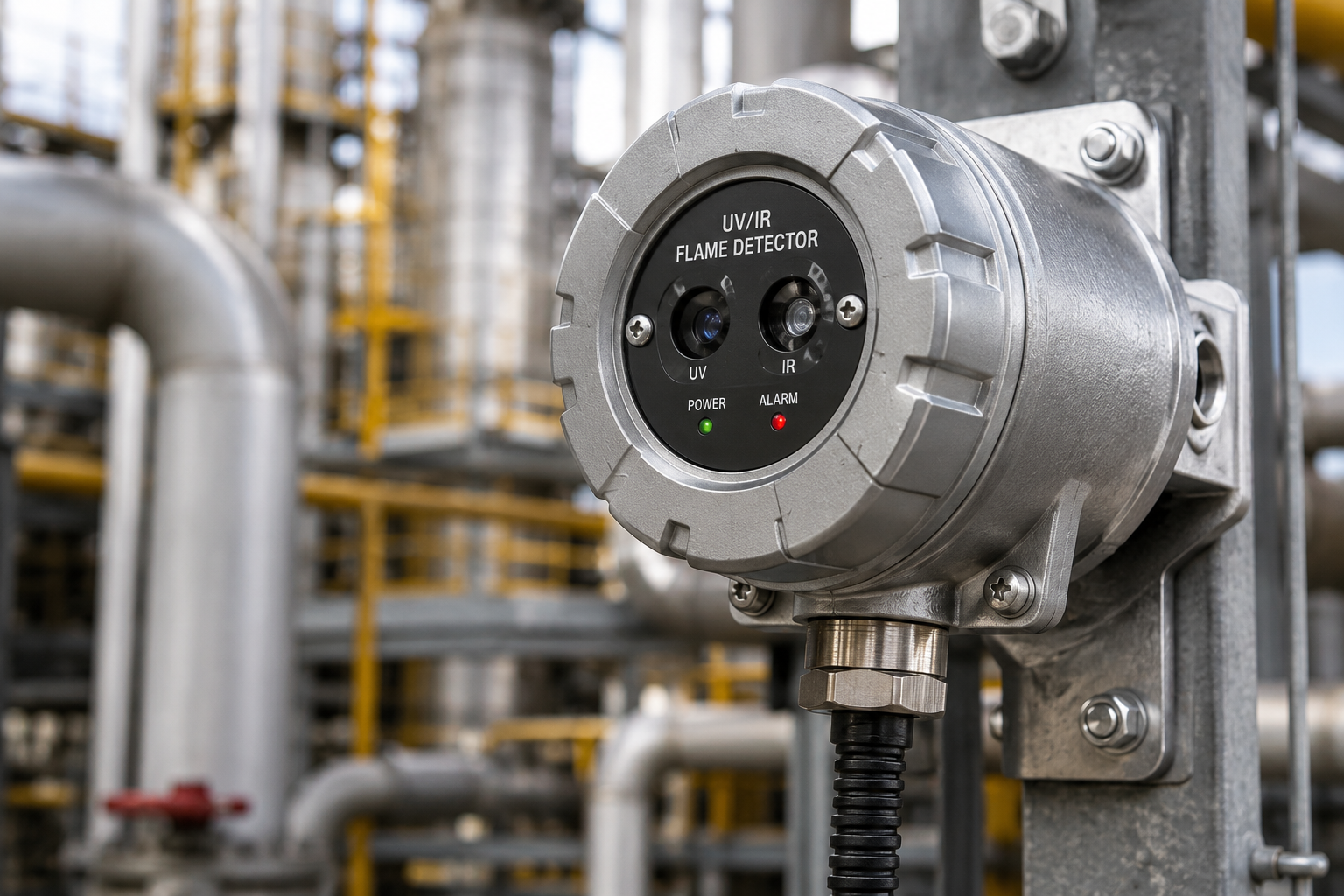
Flame detection systems use UV, IR, or combined UV/IR sensors to identify open flame conditions within milliseconds, without relying on smoke or heat build-up. This makes them essential in industrial environments where flammable liquids, gases, or open-process areas create fire risks that conventional smoke detection can miss or detect too late..
Key Capabilities
- Rapid flame detection, often within milliseconds
- Effective in open, high-airflow, or outdoor areas
- Resistant to false alarms from steam, dust, and welding
- Suitable for hazardous and explosive-risk environments
- Integrates directly with suppression and shutdown systems
Very early smoke detection & aspiration system
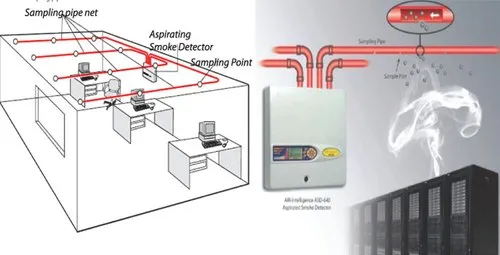
Smoke detection and aspiration systems are designed to identify fire risks at the earliest possible stage, often before visible smoke or flames develop. By continuously sampling air from the protected area, these systems provide rapid and reliable warning, helping prevent fire escalation and minimise damage.
Key Capabilities
- Very early smoke detection using advanced aspiration technology
- Continuous air sampling for high-sensitivity detection
- Early warning before smoke becomes visible
- Ideal for mission-critical and high-risk environments
- Seamless integration with fire alarm control panels
Linear Heat Sensing System
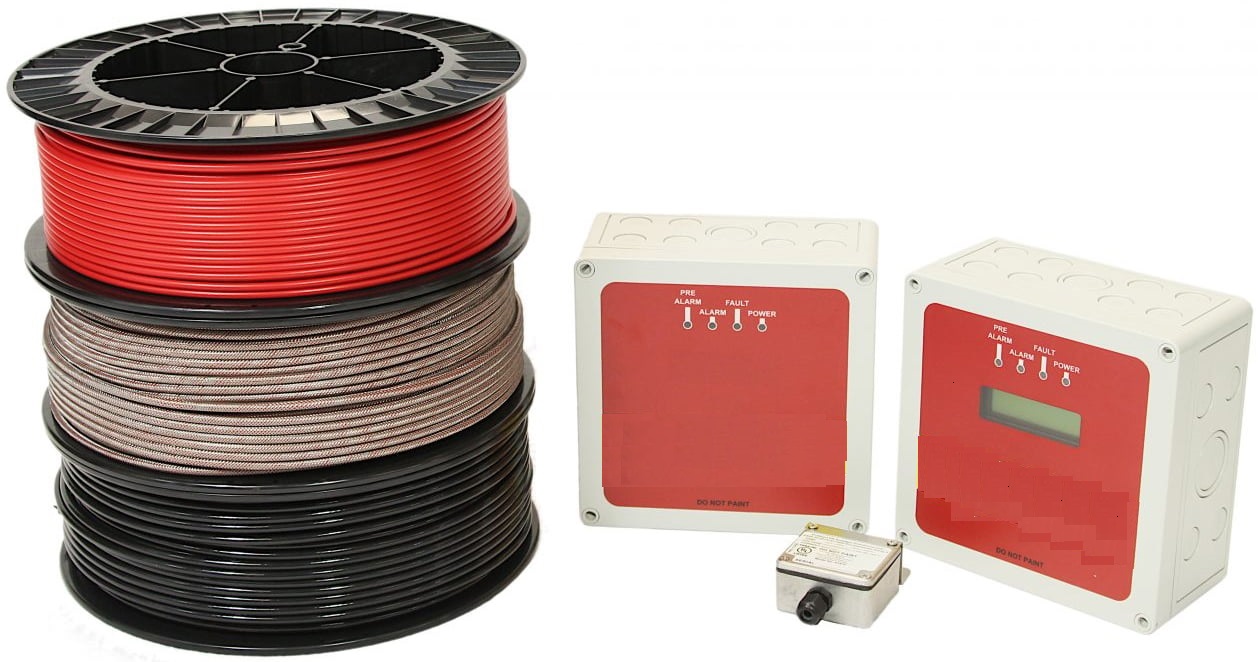
Linear Heat Detection (LHD) is a continuous heat detector designed to detect heat along the length of a sensor cable. This sensor cable is made up of two conductors, both insulated by heat sensitive polymers. The heat sensitive polymer is protected by an outer jacket.
Key Capabilities
- Precise fire location identification
- Faster response and evacuation
- Ideal for large and complex facilities
- High reliability and intelligent system monitoring
Gas Detection Systems
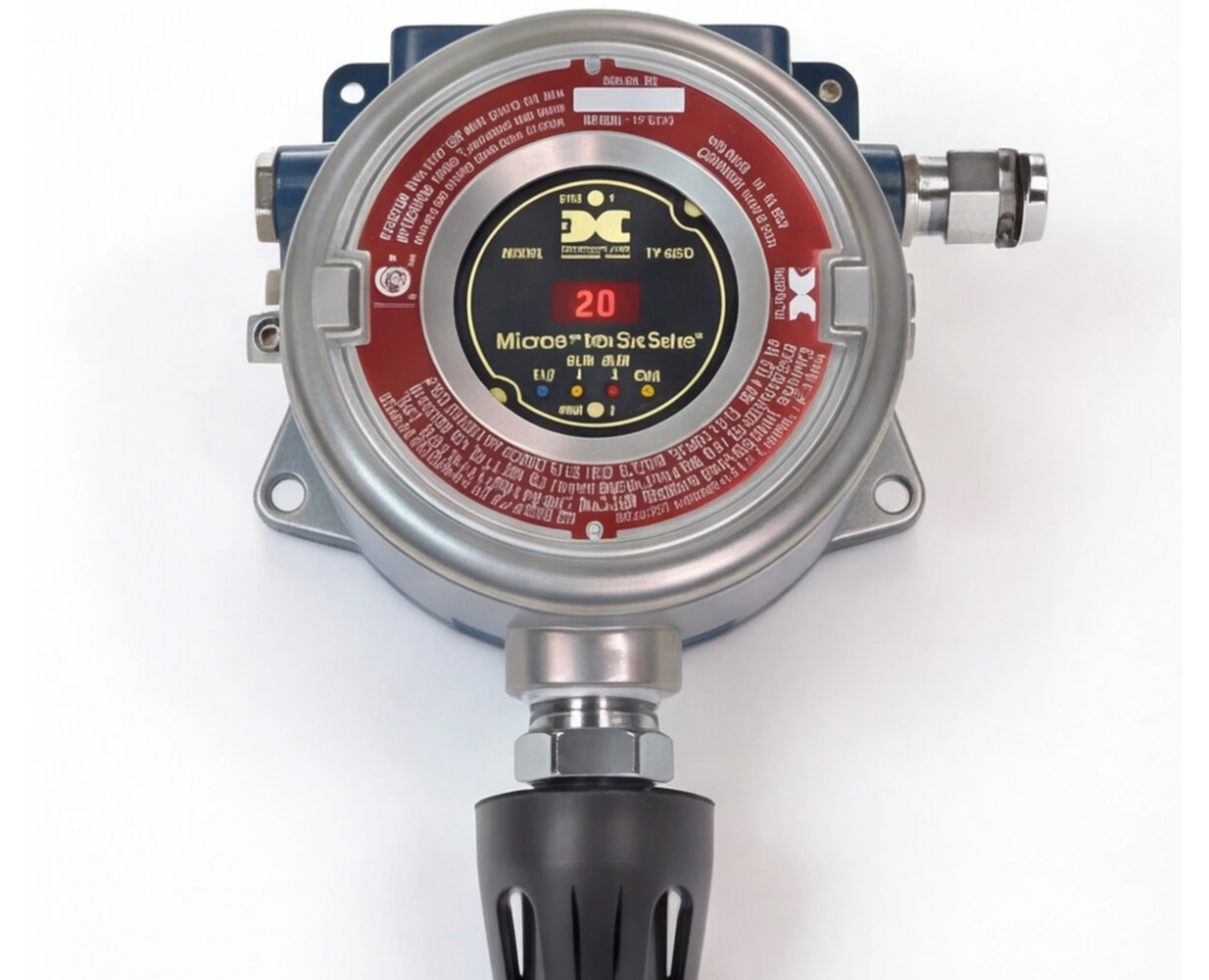
Gas detection systems are designed to continuously monitor the presence of flammable, toxic, and hazardous gases, providing early warnings to prevent accidents, equipment damage, and health risks. These systems ensure rapid response by triggering alarms and integrating with safety and control systems.
Key Capabilities
- Early detection of gas leaks to prevent fire and explosion risks
- Continuous real-time monitoring of hazardous gases
- Audible and visual alarms for immediate alerts
- Suitable for indoor and outdoor installations
Not sure which fire alarm system suits your facility?
Get expert guidance with a site assessment in Chennai.
Our Fire Alarm System Installation Process
Every installation is led by certified fire safety engineers through 8 structured steps, ensuring compliance with IS and NFPA standards from assessment to final handover.System design & engineering
We start with a fire risk assessment and a system design based on your building's layout and occupancy.

Detector selection & placement
Smoke and heat detectors are selected and positioned for optimal coverage across the facility.

Control panel installation
Fire alarm control panels are installed for centralized monitoring and control of the entire system.

Manual call points & sounders
Call points and alarm devices are strategically placed to ensure quick emergency alerts throughout the site.

Cabling & power supply
Fire-rated cabling and reliable power connections are installed for uninterrupted system operation.

System programming
Devices are addressed and configured to ensure accurate detection and alarm response.

Testing & Commissioning
Every system undergoes complete functional testing to verify performance and compliance before handover.

Documentation & Handover
We provide as-built drawings, test reports, and full system documentation as part of client handover.

Why Choose us for Fire Alarm Installation
From accurate system design to certified components and long-term support, here's what sets our fire alarm installations apart for commercial and industrial facilities across Chennai.Compliance with Codes
Professional installations are designed to meet relevant fire safety standards and local building regulations, which is essential for approvals and insurance.
Accurate Design and Zoning
Proper planning ensures detectors are placed correctly, avoiding blind spots and unnecessary false alarms.
Quality Components
Certified devices and control panels improve reliability and lifespan of the system.
Testing and Documentation
Structured testing, commissioning, and documentation provide proof of compliance and system performance.
Ongoing Support
Regular inspection, maintenance, and periodic testing help keep the system operational throughout its life.
How a Fire Alarm System Works
Early detection, instant alerts, and precise location, engineered to protect life and propertyDetector senses smoke/heat
Smoke or heat detectors identify fire conditions at an early stage.

Signal sent to control panel
The detector sends a signal to the fire alarm control panel.
Alarm devices activated
Sounders, hooters, and visual alarms activate to warn occupants.

Location identified at panel
The control panel displays the exact fire location for quick action.
Industries We Serve
Reliable fire alarm systems designed for diverse industries and critical environments.Not sure which fire alarm system
suits your facility?
Get expert guidance with a site assessment.
Frequently Asked Questions
Common questions about fire alarm systems, compliance, installation, and maintenance.
Do you provide fire alarm system installation in Chennai and across Tamil Nadu?
Yes. Convergir Techno Systems is based in Chennai and provides fire detection and alarm system installation, testing, and AMC support across Chennai and Tamil Nadu for commercial, industrial, and institutional buildings.
What's the difference between an addressable and a conventional fire alarm system?
A conventional system identifies which zone a fire alarm has triggered in, while an addressable system identifies the exact device. Addressable systems suit larger or more complex buildings needing precise fault and fire location, while conventional systems are a cost-effective choice for smaller sites with fewer zones.
How often should fire alarm systems be tested?
Fire alarm systems should be inspected and tested monthly for basic functionality and quarterly or annually by certified professionals. Regular testing ensures reliability, compliance, and uninterrupted protection.
Do you provide AMC services?
Yes. We offer Annual Maintenance Contract (AMC) services that include routine inspections, testing, preventive maintenance, and prompt support to ensure your fire alarm system remains fully operational at all times.
Can fire alarm systems be integrated with other safety systems?
Yes. Fire alarm systems can be integrated with sprinklers, gas suppression systems, access control, and building management systems for enhanced safety and automation.